
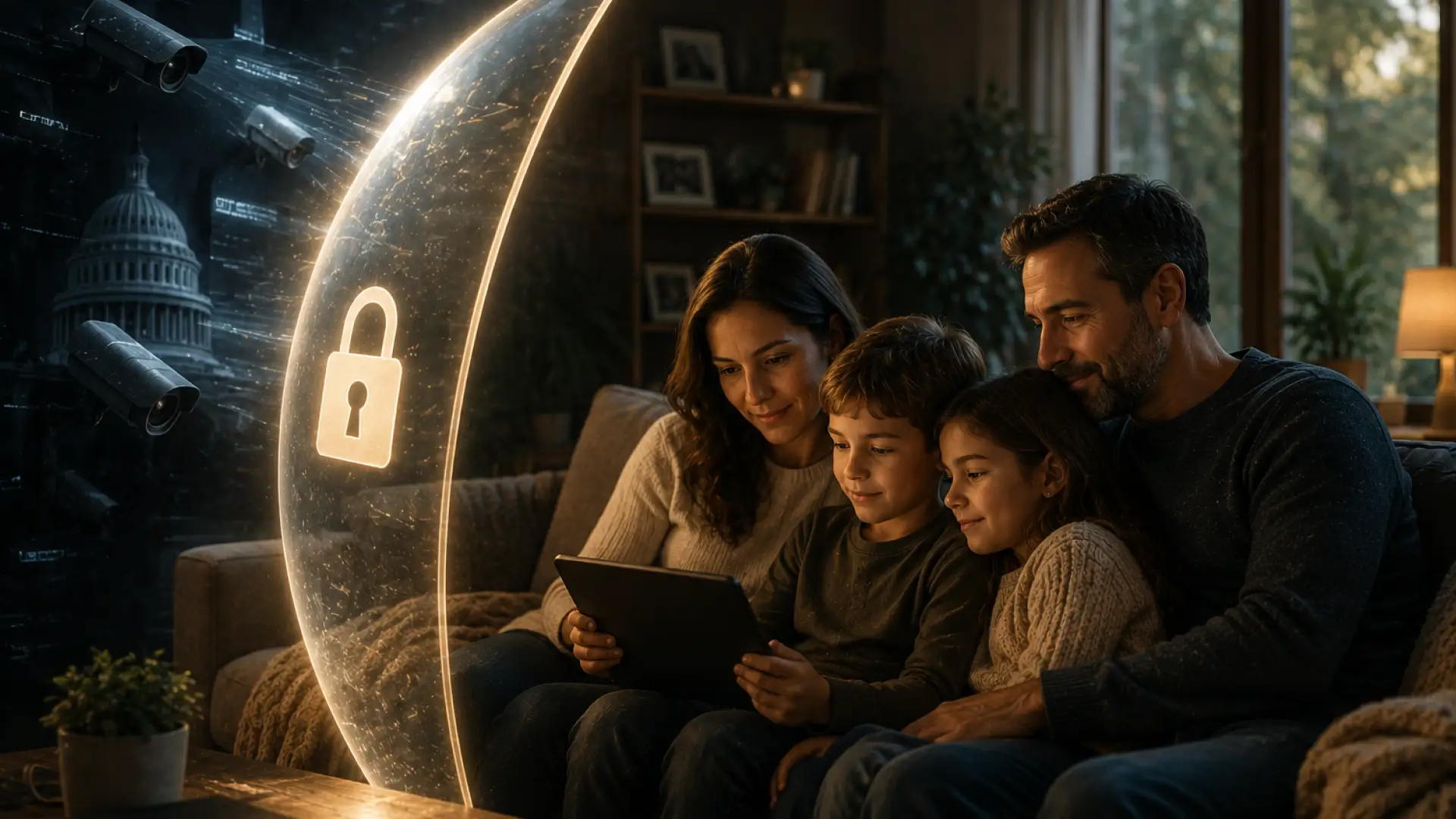
Transparency should operate in two directions: government should be visible to the people, while ordinary people should be protected from unnecessary government and corporate surveillance. Public officials exercise public power. Private citizens should not have to surrender every detail of their lives to participate in modern society.
Organizations should collect only the personal information reasonably necessary for a clearly stated purpose. People should be told what is collected, why it is needed, how it will be used, who will receive it, how long it will be retained, and what happens if they refuse.
Individuals should have practical rights to inspect important records about themselves, correct inaccurate information, and challenge decisions based on faulty data. Sensitive information involving health, finances, children, location, private communications, and identity should receive stronger protection than ordinary commercial information.
Government access to private communications, homes, devices, and detailed location histories should generally require lawful authority and independent review. Emergency exceptions may be necessary, but they should be narrow, documented, time-limited, and reviewed after the emergency.
Facial recognition, biometric identification, and mass surveillance require special safeguards because a face, fingerprint, or voice cannot be replaced like a password. These tools may have legitimate uses, but they should not quietly create a permanent record of where every person goes, whom they meet, and what they do.
Children deserve additional protection. Schools, applications, advertisers, and technology providers should not build lifelong commercial profiles from a child’s education, behavior, interests, location, or private communications. Parents and young people should receive understandable information and meaningful control.
Path to Unity will need identity verification to prevent bots and duplicate voting. That does not require publishing a member’s identity or storing unnecessary copies of identification documents. The system should verify privately, store the minimum information needed, protect ballots, and publish the rules and audit results.
Questions for the Conversation
What personal information should governments and companies be allowed to collect?
When should a warrant or independent approval be required for digital surveillance?
What limits should apply to facial recognition and biometric tracking?
What additional privacy protections do children need?
How can Path to Unity verify one human, one vote without exposing members’ private information?
0 Comments