
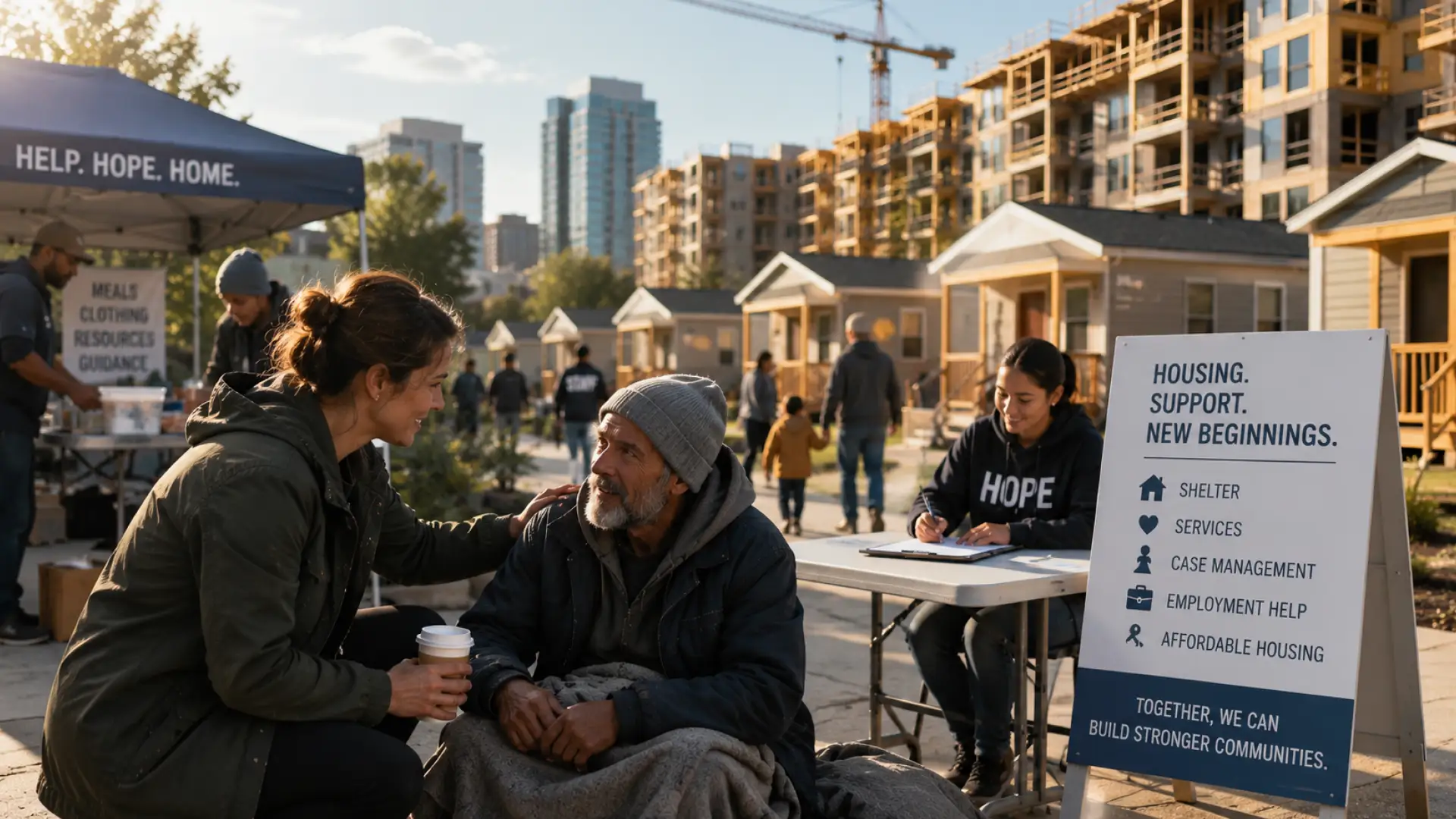
An opening proposal for public discussion
Housing has become one of the largest pressures on household budgets. When people cannot live near employment, schools, transportation, healthcare, and family support, the effects spread into traffic, education, homelessness, workforce shortages, and community instability.
The starting point should be increasing the supply and variety of housing. Communities need apartments, small homes, starter homes, senior housing, accessible housing, and responsible opportunities to add units near jobs and transportation. Local residents should have a voice, but no neighborhood can demand affordable housing while permanently opposing every place it could be built.
Zoning, permitting, impact fees, infrastructure requirements, and lengthy approval processes should be published in understandable form. Governments should identify how much each rule adds to the price and schedule of a home, what public benefit it provides, and whether the same goal could be achieved more efficiently.
Property rights and neighborhood stability also matter. New development should address drainage, roads, schools, utilities, parking, safety, and the rights of existing owners. The answer is not unrestricted construction or permanent obstruction, but transparent standards applied consistently.
Homelessness is not one problem. Some people primarily need temporary financial assistance or housing. Others face mental illness, addiction, disability, domestic violence, criminal exploitation, or repeated refusal of available services. Effective policy must distinguish among these circumstances rather than using one program for everyone.
Emergency shelter should lead toward a next step: treatment, identification documents, employment, benefits, family reunification, transitional housing, or permanent supportive housing when necessary. Public spaces should remain safe and usable, while enforcement is connected to realistic alternatives and due process.
Every housing subsidy, tax incentive, development agreement, shelter contract, and homelessness program should publish its cost, recipients, units created, people served, length of stay, exits to stable housing, and long-term results. Compassion without measurement can waste resources. Enforcement without a path forward can simply move suffering from one location to another.
Questions for the Conversation
Which local rules unnecessarily increase the cost or delay of building housing?
How should communities balance housing supply, infrastructure, property rights, and neighborhood concerns?
How should programs distinguish temporary homelessness from chronic mental-health or addiction needs?
What obligations should accompany public shelter, treatment, and housing assistance?
Which measurements would show that housing and homelessness programs are actually working?

0 Comments