
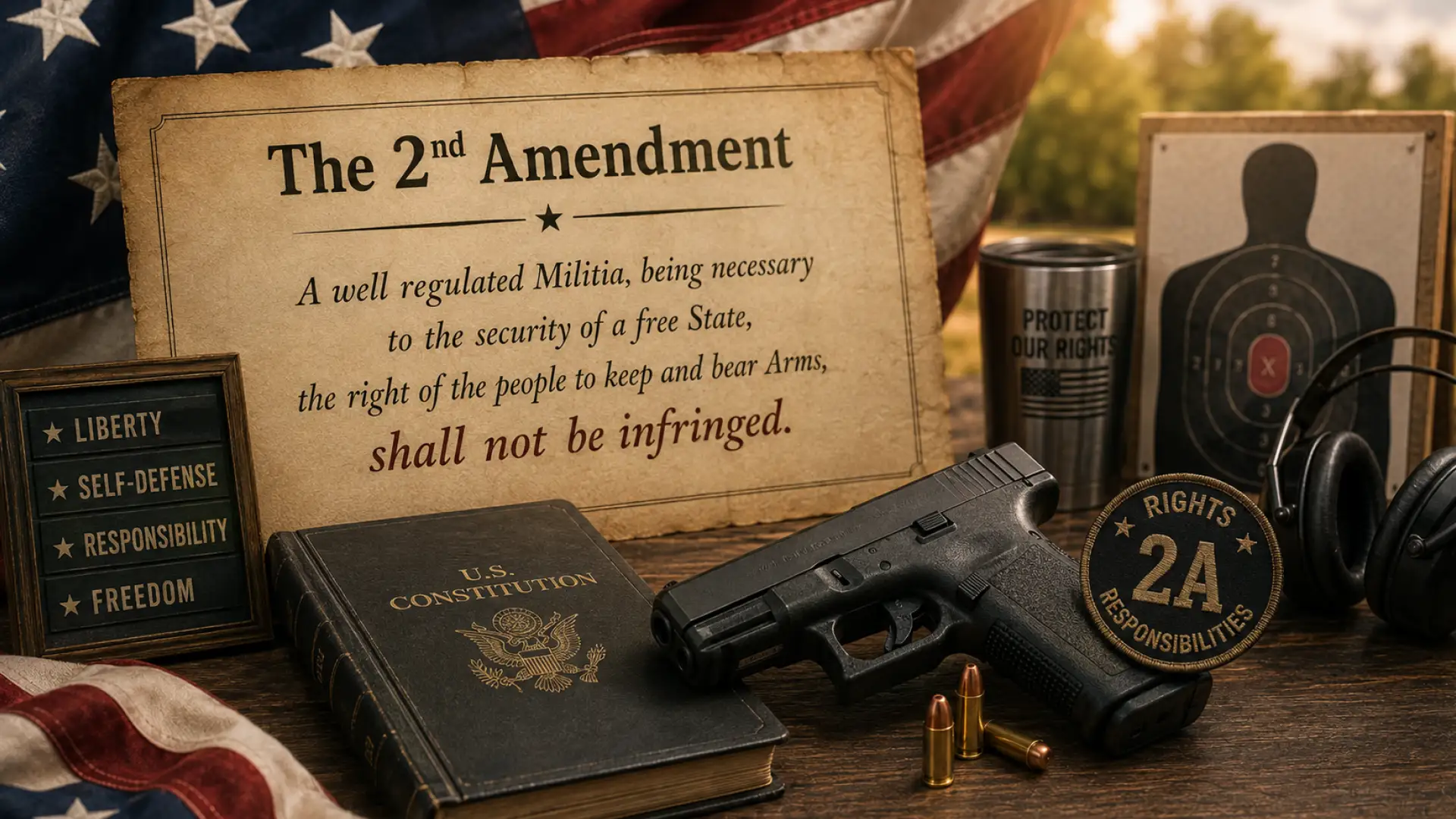
An opening proposal for public discussion
Firearms are connected to constitutional liberty, self-defense, hunting, sport, family tradition, suicide, domestic violence, criminal activity, and public fear. A serious discussion must recognize both the rights of responsible owners and the consequences of violent or reckless misuse.
The starting principle should be that lawful adults may possess firearms for legitimate purposes, subject to rules that are clear, fairly enforced, and consistent with constitutional protections. Responsible ownership should not be treated as criminal behavior, and public safety concerns should not be dismissed as hostility toward freedom.
Background-check systems should be accurate, timely, and focused on legally disqualifying conditions. Records involving serious violent convictions, qualifying domestic-violence orders, and adjudicated dangerousness should be entered promptly. People wrongly denied should receive a fast and meaningful appeal.
Due process is essential. Any temporary removal process involving a person believed to present an immediate danger should require specific evidence, prompt judicial review, notice, the opportunity to respond, penalties for knowingly false claims, and a clear process for returning property when the legal standard is no longer met.
Safe storage can reduce theft, unauthorized access by children, and impulsive harm. Policy should emphasize education, affordable locks and safes, responsible storage around minors, and accountability for clearly reckless access, while recognizing that a firearm kept for immediate self-defense must remain reasonably accessible to its lawful owner.
Enforcement should concentrate on violent offenders, illegal trafficking, stolen weapons, repeat prohibited possessors, threats, and the use of firearms during crimes. Communities should also improve school security, domestic-violence intervention, mental-health crisis response, conflict reduction, and focused programs for the small number of people driving repeated violence.
Public debate should rely on transparent data that distinguishes homicide, suicide, accidents, defensive use, lawful ownership, illegal possession, weapon type, age, location, and prior criminal history. Policies should be reviewed after implementation to determine whether they reduced violence without creating unnecessary burdens on lawful citizens.
Questions for the Conversation
Which measures can reduce violence while respecting constitutional rights and lawful ownership?
How should background checks be improved, and how quickly should an incorrect denial be corrected?
What due-process protections should apply to temporary firearm-removal orders?
What responsibilities should owners have for safe storage, theft reporting, and access by minors?
Which public-safety programs have measurable results and should receive priority?

0 Comments