
An opening proposal for public discussion
Energy policy often becomes a choice between protecting the environment and protecting the economy. A workable national plan must do both while keeping the power system reliable.
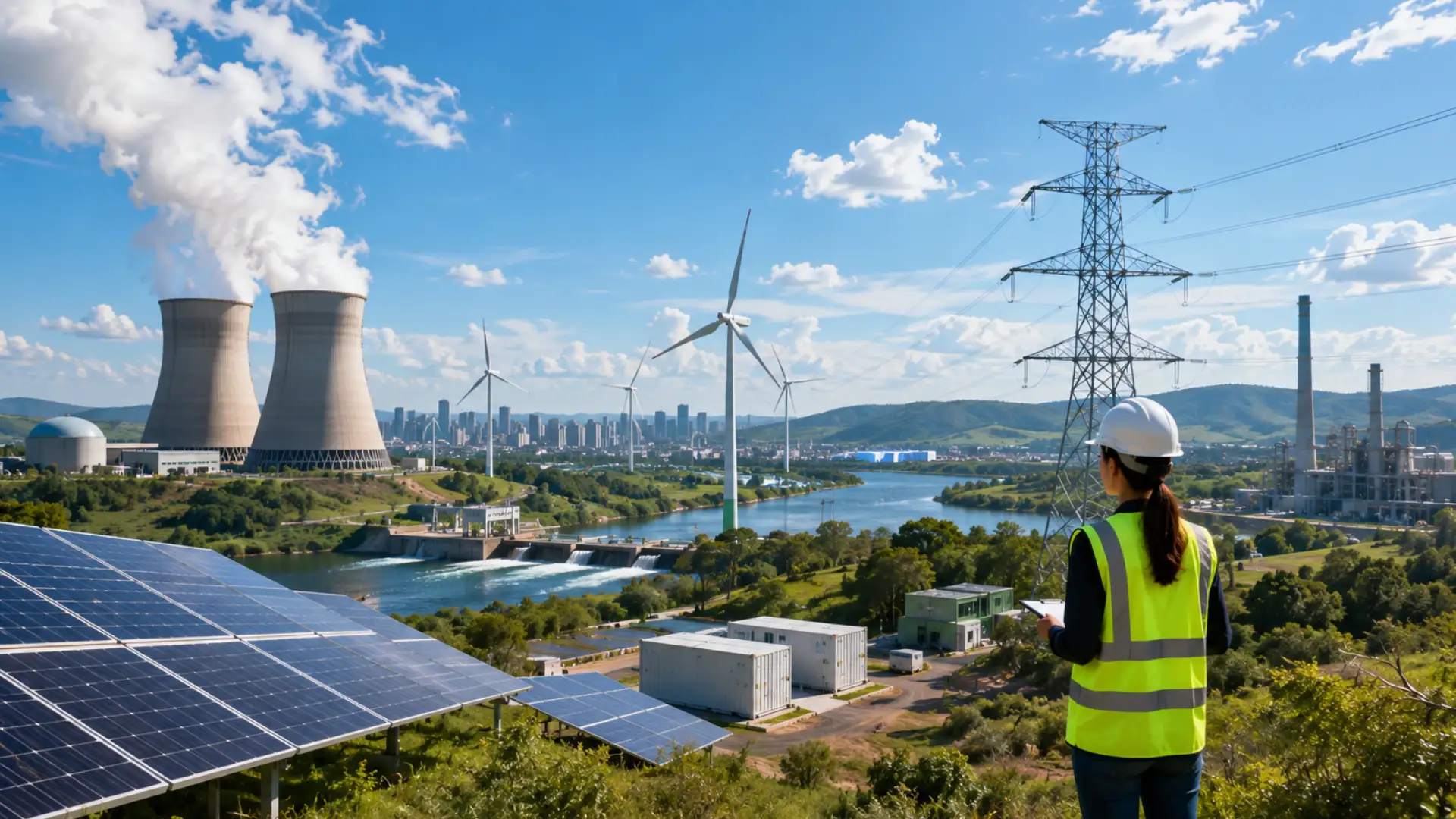
The starting proposal is an all-of-the-above transition. The country should establish measurable goals for reducing pollution and greenhouse-gas emissions, then allow nuclear power, renewable energy, storage, modern transmission, geothermal energy, efficiency, and responsible natural-gas production to compete in meeting those goals.
Existing dependable energy sources should not be removed faster than replacement systems can prove they are reliable. The electric grid should be modernized, and permitting should become faster without eliminating meaningful environmental review. Every major energy project should disclose its full lifecycle cost, public subsidies, land use, expected lifespan, reliability, and waste-management plan.
Major polluters should be responsible for measurable harm, but policy should protect lower-income families from sudden price increases. Investment should also include water systems, flood control, wildfire prevention, conservation, and infrastructure capable of handling extreme conditions.
Every major rule should be reviewed after implementation. Did it reduce pollution? What did it cost? Did it improve reliability or make it worse? The public should be able to compare cost, security, land use, emissions, and long-term performance rather than being asked to choose a political slogan.
Questions for the Conversation
What energy mix would best serve your region?
How should environmental progress be measured and publicly reported? What protections are needed to keep energy affordable during a transition?

0 Comments