
22. Immigration: Secure Borders and a Workable Legal System
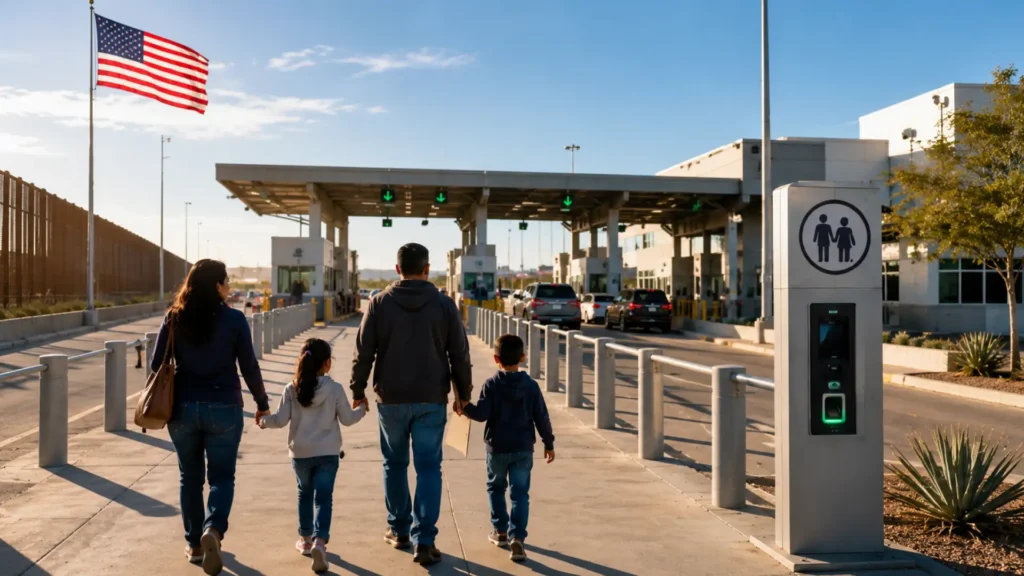
Immigration policy has been trapped between two incomplete positions: enforcement without a functional legal system, and compassion without dependable control. A workable plan must provide both security and humanity.
The starting proposal is to control entry at the border and ports of entry while creating legal pathways that people and employers can realistically use. A dependable biometric entry-and-exit system should track lawful admissions. Asylum applicants should receive prompt initial screenings and final decisions instead of remaining in uncertainty for years.
Additional judges, case officers, and support staff are necessary to decide cases fairly. Detention should focus on demonstrated security threats and serious flight risks, with monitored alternatives available for appropriate families and lower-risk applicants. Employment-based, agricultural, and seasonal programs should expand when verified labor shortages exist.
Employers should use reliable work authorization systems and face meaningful penalties when they knowingly exploit unauthorized labor. People brought here as children should have a path to permanent legal status when they meet reasonable education, work, service, and background requirements. Long-term nonviolent residents could earn legal status through checks, fines, applicable taxes, civics requirements, and a waiting period.
Violent offenders, traffickers, organized criminals, and security threats should remain the priority for removal. Monthly public reporting should show entries, removals, asylum outcomes, detention, processing times, legal immigration, and total cost.
The compromise is clear: the country controls its border while building a legal system worthy of being followed.
Questions for the Conversation
What would a fast, fair asylum process require?
Which legal pathways should expand to meet real workforce needs?
What conditions should apply to an earned legalization process?
Responses